· Omni Dev Consulting · Proptech · 1 min read
Proptech Software Development: Data, Maps, AI, And Workflows
A guide to proptech software development for property data platforms, AI real estate analytics, buyer agent tools, and geospatial products.
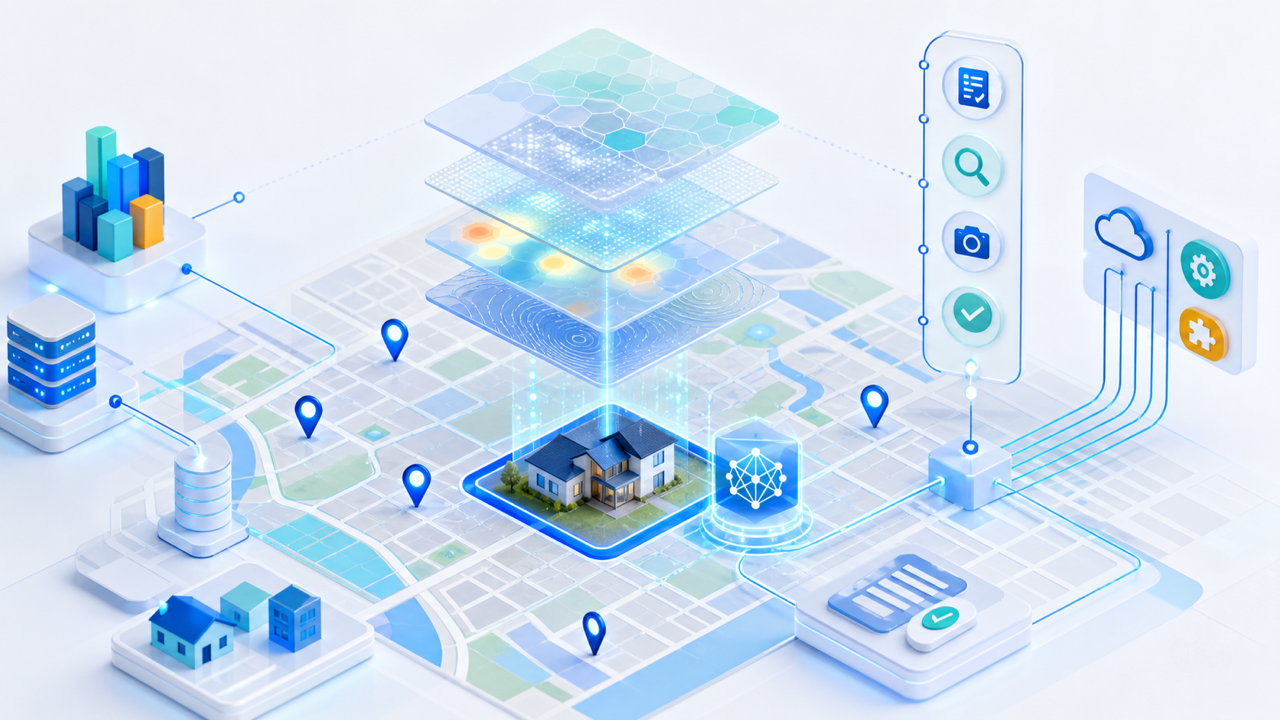
Proptech software development often sits at the intersection of product design, data engineering, maps, workflow automation, and commercial real estate knowledge. The hard part is rarely a single feature. It is making property data useful, trusted, and fast enough for real decisions.
Build Around The Property Data Model
Real estate software development needs clear models for properties, listings, addresses, agencies, inspections, valuations, and user actions. PostgreSQL and PostGIS are common foundations when geospatial property analytics matter.
Treat Maps As Product Infrastructure
Mapbox and similar tools can support search, filters, catchments, travel context, and visual decision-making. Maps should connect to product goals, not sit beside the workflow as decoration.
Use AI Where It Improves Decisions
AI real estate analytics can support matching, summarisation, data enrichment, inspection notes, buyer agent workflows, and market research. The strongest use cases keep human review and traceability in the process.
Design For Operational Workflows
Property inspection software, buyer agent software, and internal property platforms all need reliable task flows. Notifications, status changes, audit history, and mobile-friendly interfaces often matter as much as the analytics.
Plan For Integrations Early
Property data platforms usually depend on third-party feeds, CRMs, document systems, and internal tools. Early integration planning helps avoid brittle imports and manual cleanup later.